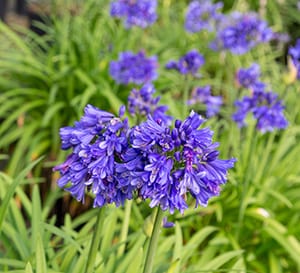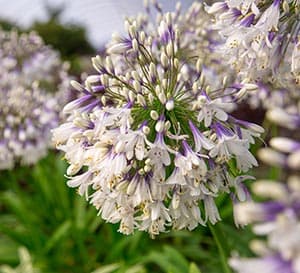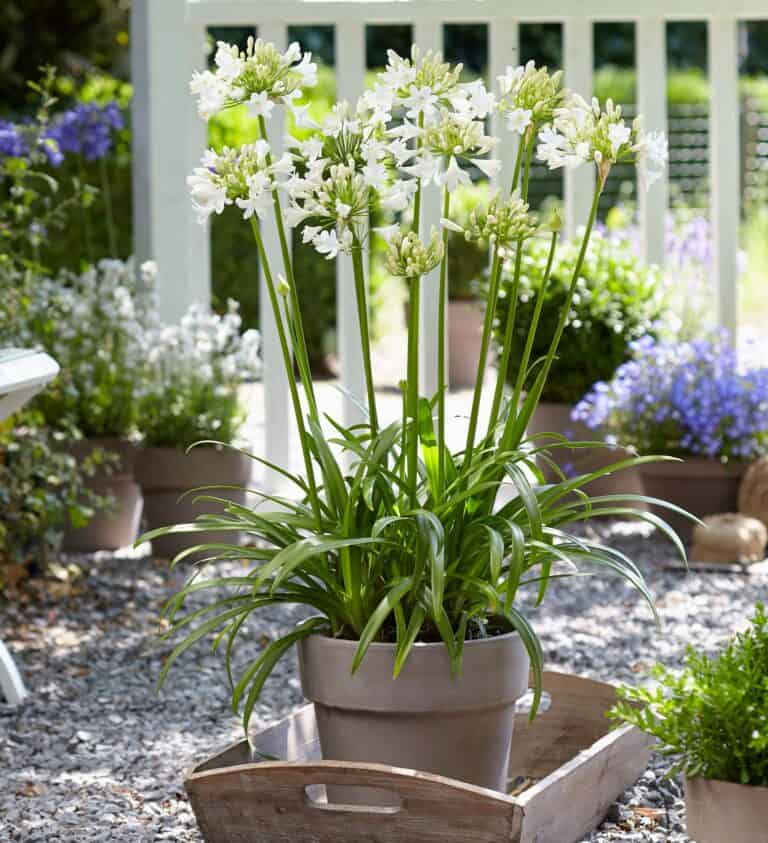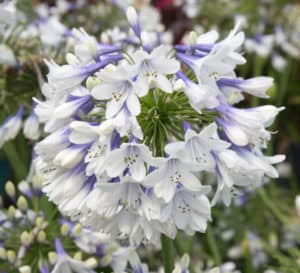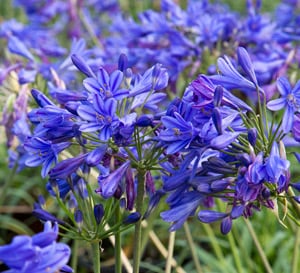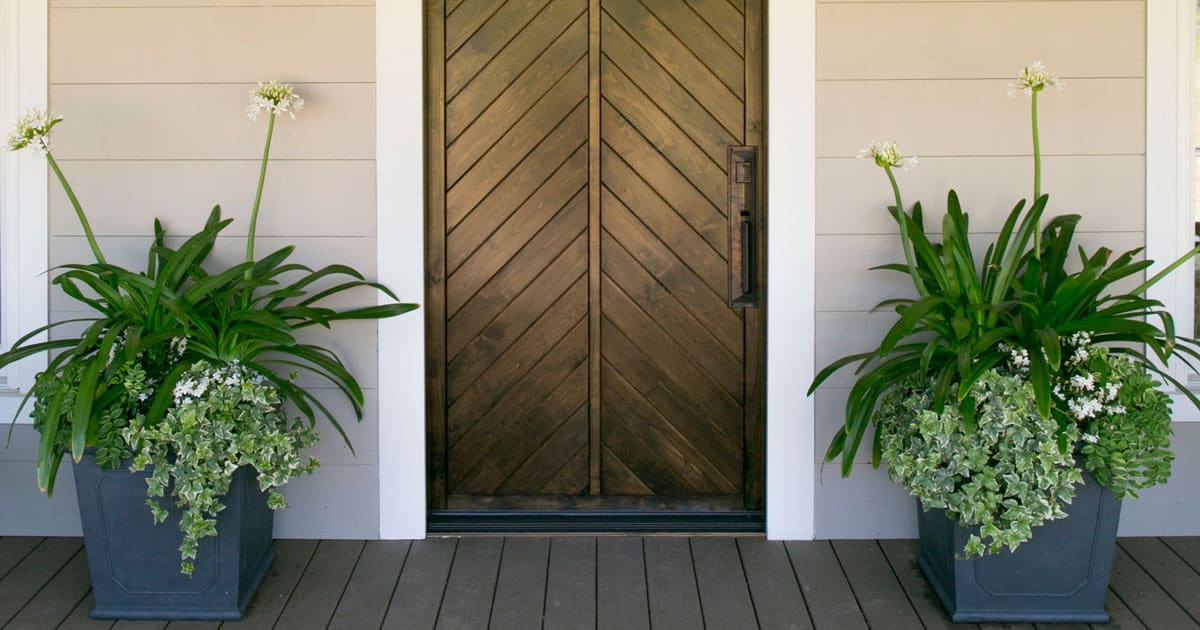
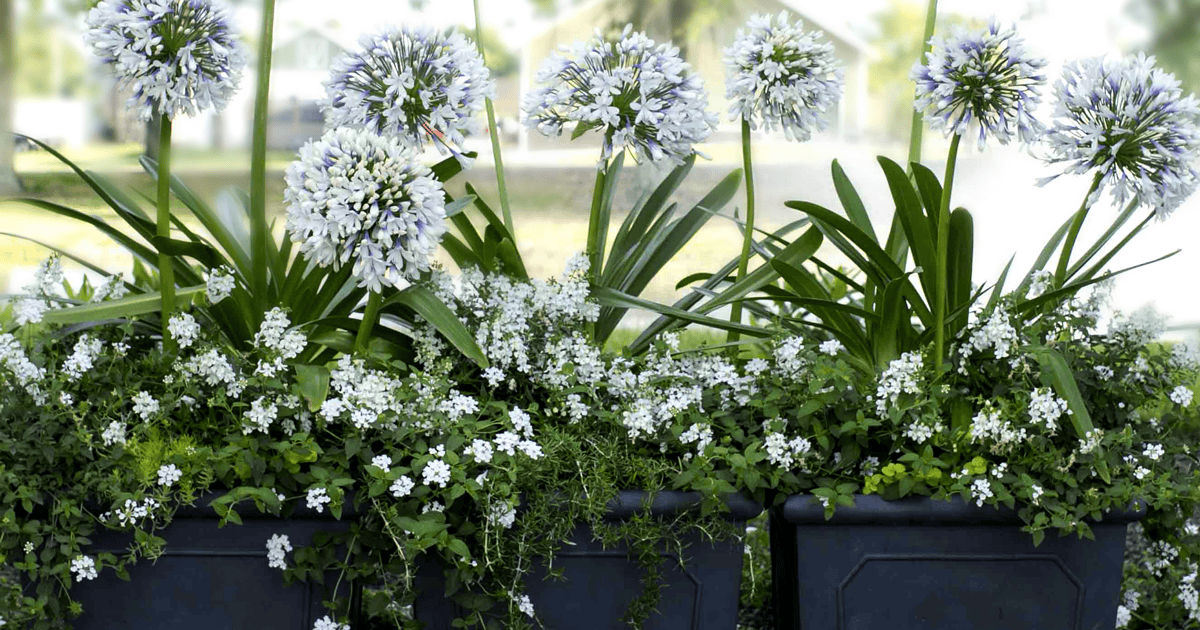
Agapanthus, also known as African lily or lily of the Nile, is the kind of plant that makes gardening feel easy. With graceful foliage and globe-shaped blooms, it brings calm, color, and structure to outdoor spaces—from sunny garden beds to containers on the porch. Southern Living® Agapanthus varieties are especially worth planting because they’re selected for our climates, bred for toughness, and chosen to bloom earlier and rebloom through the season—giving you even more color with less fuss.
Whether you’re tending a backyard garden or a few pots on the patio, African lily rewards you with long-lasting beauty and reliable performance.
👉 Browse Agapanthus varieties and find your favorite:
https://southernlivingplants.com/plant/agapanthus
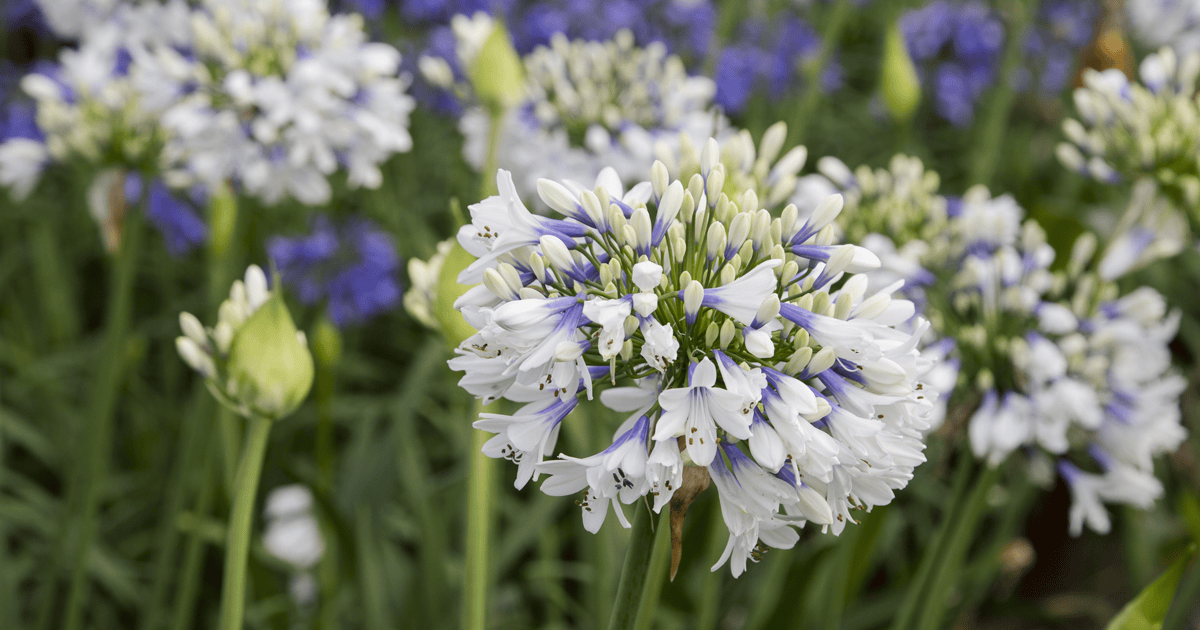
How do you care for African lily (Agapanthus)?
African lily, also called lily of the Nile, is easy to grow with a few simple care steps:
- Plant in full sun for best blooms
- Use well-drained soil
- Water regularly while establishing, then reduce as plants mature
- Fertilize in spring and again during the growing season
- Remove spent flowers to encourage reblooming
Southern Living® varieties are especially easy to grow, blooming earlier and reblooming through the season.
Best Light for African Lily Care (Agapanthus Sun Requirements)
African lily thrives in the sunshine, ideally receiving six to eight hours of light each day.
In the hottest parts of the South, a little afternoon shade can help keep foliage looking fresh through the peak of summer—but this is a plant that truly loves the light.
Best Soil for African Lily (Agapanthus Soil and Drainage Needs)
If there’s one thing African lily asks for, it’s good drainage. It’s happiest in soil that doesn’t stay soggy—think loose, well-worked soil with a bit of compost mixed in.
If your garden leans heavy or clay-based, containers or raised beds are an easy way to create the right conditions and keep plants thriving.
How to Water African Lily (Agapanthus Watering Guide)
During the growing season, African lily appreciates consistent moisture, especially as buds begin to form. Water regularly during the first growing season to help plants establish, keeping soil lightly moist and allowing the top inch to dry between waterings.
Once established, African lily plants are drought-tolerant and water-wise, but they bloom best with regular watering—especially in containers during hot weather.
How to Fertilize African Lily (Agapanthus Feeding Tips)
A little feeding goes a long way. Apply a balanced, slow-release fertilizer in spring to give plants a strong start. A fertilizer that supports flowering—especially one slightly higher in phosphorus—can help encourage more blooms.
A second feeding about two months later can support continued flowering, particularly for reblooming varieties like the Ever® Series. Avoid high-nitrogen fertilizers, which can lead to lush foliage and fewer flowers.
How to Prune African Lily (Agapanthus Pruning and Deadheading)
Keeping African lily looking its best is simple. Snip spent blooms at the base to encourage more flowers and keep the plant tidy.
A quick cleanup of older foliage in late winter makes way for fresh new growth—and another season of color.
Common African Lily Problems and How to Fix Them
One of the reasons gardeners love African lily is how easy it is to grow. It rarely has serious issues, though you may occasionally spot slugs, snails, or aphids.
With good airflow, proper spacing, and well-drained soil, most problems are easy to prevent before they ever start.
Winter Care for African Lily (Agapanthus Cold Protection Guide)
In much of the South, African lily settles in comfortably year-round. A layer of mulch helps protect roots during temperature swings.
In cooler areas, containers make it easy—simply move plants to a protected space before frost and let them rest until spring returns.
African Lily Care Tips for Healthy, Reblooming Plants
With the right placement and a little seasonal care, African lily (Agapanthus) rewards you with reliable blooms and easy elegance year after year. Whether you’re growing lily of the Nile in garden beds or containers, it’s a low-maintenance choice that brings lasting color to your outdoor spaces.
Southern Living® varieties make it even easier—with plants bred to bloom earlier, rebloom through the season, and thrive in Southern climates.
Put the sweet back in takin’ your sweet time with African lily—because great gardens don’t have to be complicated.